Postal Optimization
Where a Singapore Postage Bill Actually Comes Down
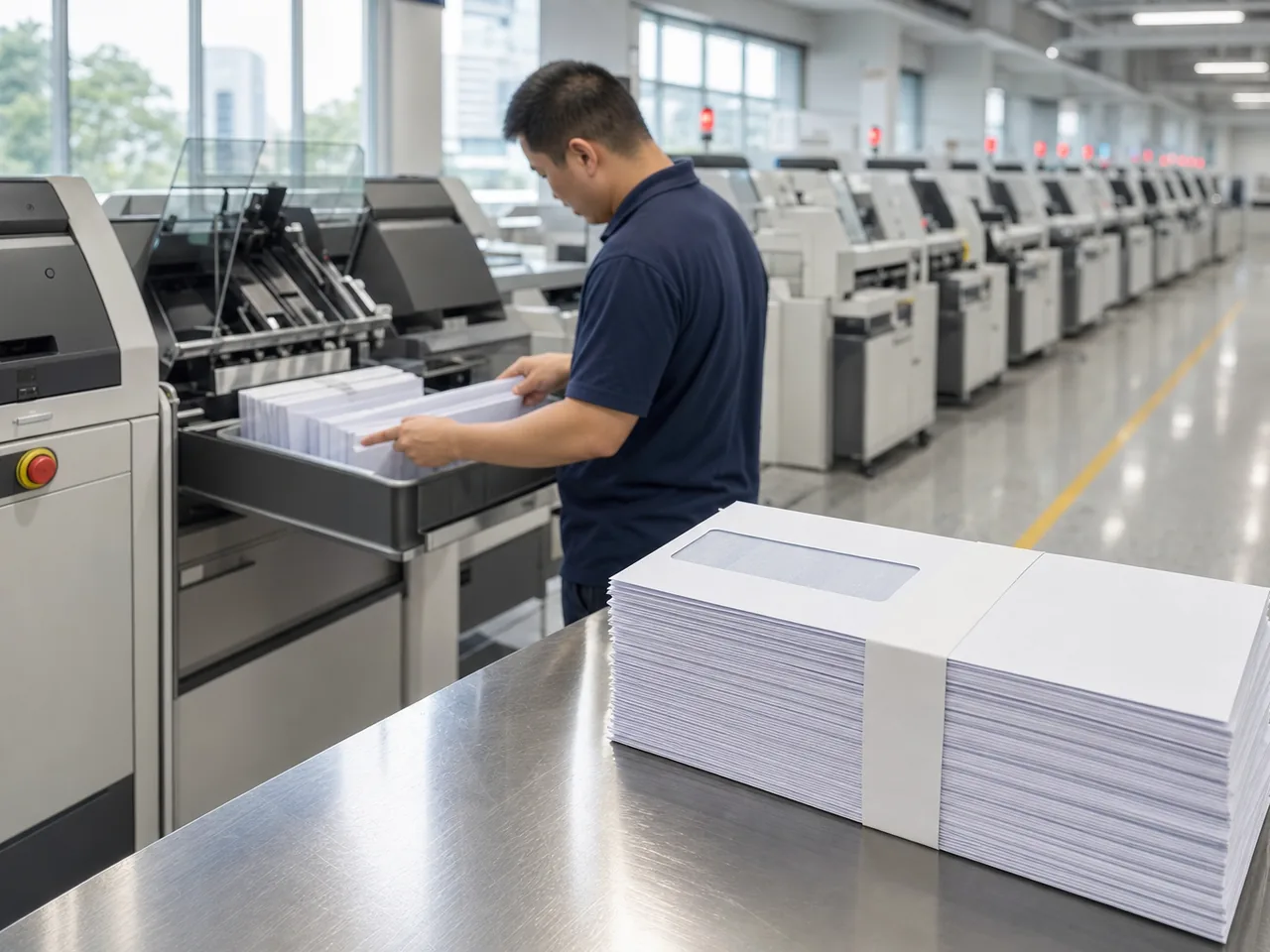
Postage is usually the largest line in a mail budget and the one that gets the least scrutiny, because it looks like a fixed cost set by someone else. The rate card is indeed someone else's decision. Which rate your mailpiece attracts, and how many pieces you pay for at all, are not. Three decisions made before anything reaches the carrier account for most of the difference, and all three are made during production rather than at lodgement.
Format decides which rate you pay
The single largest controllable factor is which category your mailpiece falls into, because the categories are priced differently and the boundaries are dimensional.
SingPost prices domestic mail as Standard Regular or Standard Large, with separate treatment for items that fall outside those specifications. From 1 January 2026 the retail rates are S$0.62 for Standard Regular and S$0.90 for Standard Large. The gap between the two is the reason format is worth deciding deliberately rather than inheriting from whatever the designer sent.
What pushes a mailpiece across a boundary is usually mundane: an extra insert, a heavier stock, a fold that leaves the pack thicker than the specification allows. Check the current dimensional and weight limits against SingPost's published specification before committing a format, because those thresholds are the carrier's to set and they move.
The practical version of this is that format is a costed decision, not a design one. A campaign that needs three inserts can often carry them in a smaller envelope with a different fold, and the difference between the two versions is paid on every single piece.
Pre-sorting buys a discount because it removes work
Bulk discounts exist because pre-sorted mail costs the carrier less to handle, and the size of the discount tracks how much handling you have removed.
Mail lodged as an unsorted heap has to be separated by destination before it can be routed. Mail that arrives already sequenced by National Postal Sector skips that step. Workshare is the programme that prices this, and the tiers reward sorting depth: the further you sort before handover, the deeper the discount.
Two things follow. First, the discount is only worth chasing at volumes where the sorting effort is repaid, which is a calculation rather than a rule of thumb. Second, the sort has to be correct: a mis-sorted tray can lose the discount for the batch it belongs to. Sorting before handover and the lodgement paperwork that accompanies it sit with fulfilment and logistics.
The cheapest postage is the piece you never send
Every undeliverable item is paid for in full and delivers nothing, which makes address hygiene the highest-return of the three levers and the one most often skipped.
A return-to-sender piece costs production, materials and postage, and the intended recipient still has not been reached. Validating addresses and removing duplicates before production converts that whole cost back into savings. The duplicates that cost money are rarely the obvious ones: they are the same recipient held twice under slightly different address formatting, which a human reading the file would merge and a printer will not. Reconciling the file against a deduplicated count before print is what catches them.
This lever costs nothing but time, and unlike the other two it does not depend on volume. A run of a few hundred pieces benefits from it in the same proportion as a run of thousands.
Where the rates themselves are going
The three levers above work on your side of the transaction. The rate card is the other half, it is set by the carrier, and it has been moving.
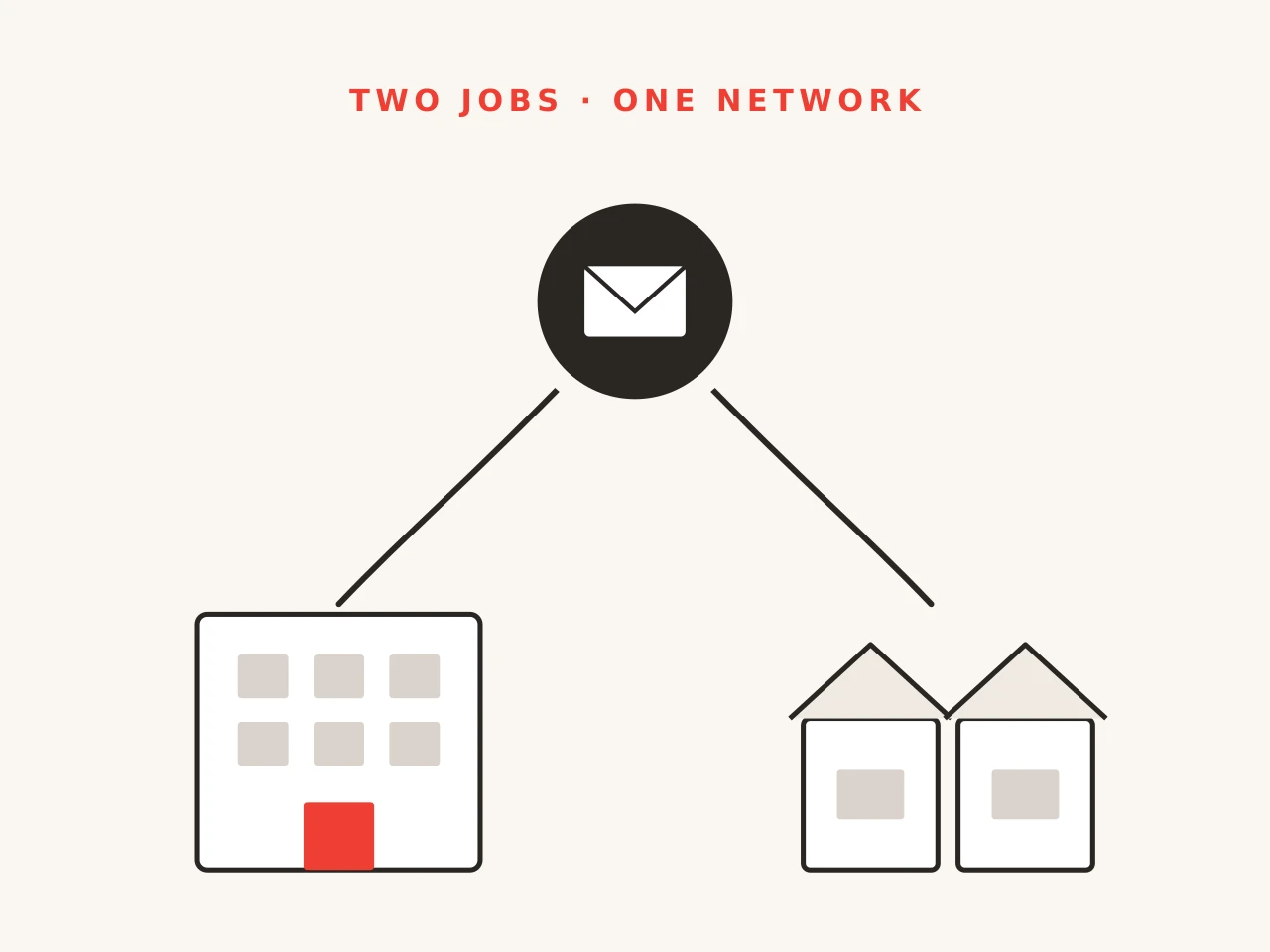
We cover SingPost's position and what the January 2026 increase means for organisations mailing at volume in two jobs, one network. The decisions that determine which tier a mailpiece lands in are made much earlier, during lettershopping: format, fold and insert count are all fixed before anything reaches the carrier, which is why postage is best treated as a production question rather than a despatch one.
If you review one thing after reading this, make it the format specification of your highest-volume recurring mailing. It is the decision that repeats on every piece, and it is usually the one nobody has revisited since the template was first designed.
Rates cited are SingPost's published domestic retail rates effective 1 January 2026. Dimensional and weight thresholds change; check the current specification before fixing a format. Updated 6 August 2026 to add the 2026 rates and to correct the earlier version's unattributed quotations.
Tags