

Our Blog
Industry Insights
Explore our latest updates on secure printing, data protection, and postal optimization. We provide the technical clarity needed to navigate Singapore's distribution landscape, combining bank-grade security with high-speed fulfillment to protect your brand and bottom line.

More articles
Compliance & Security
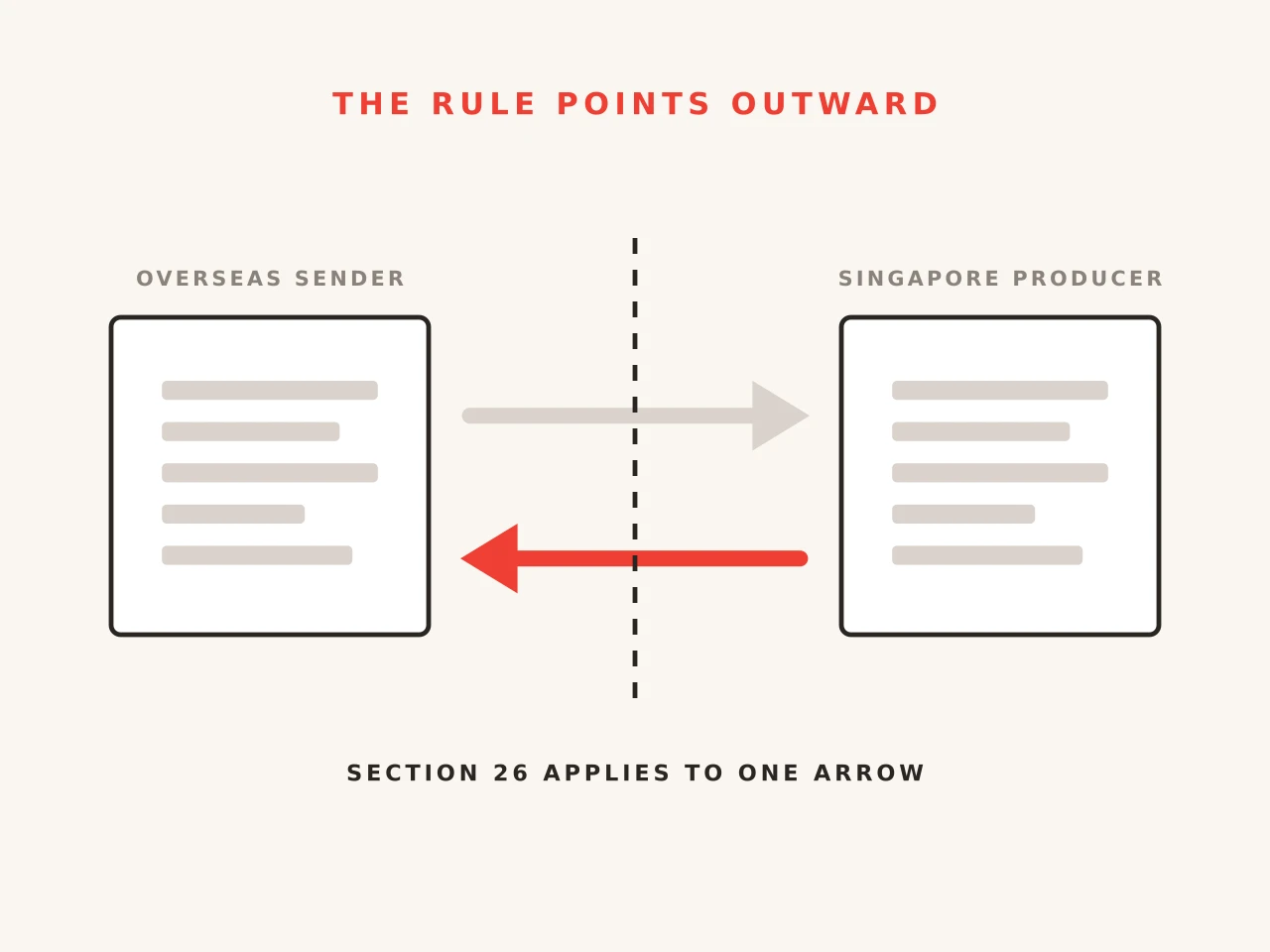
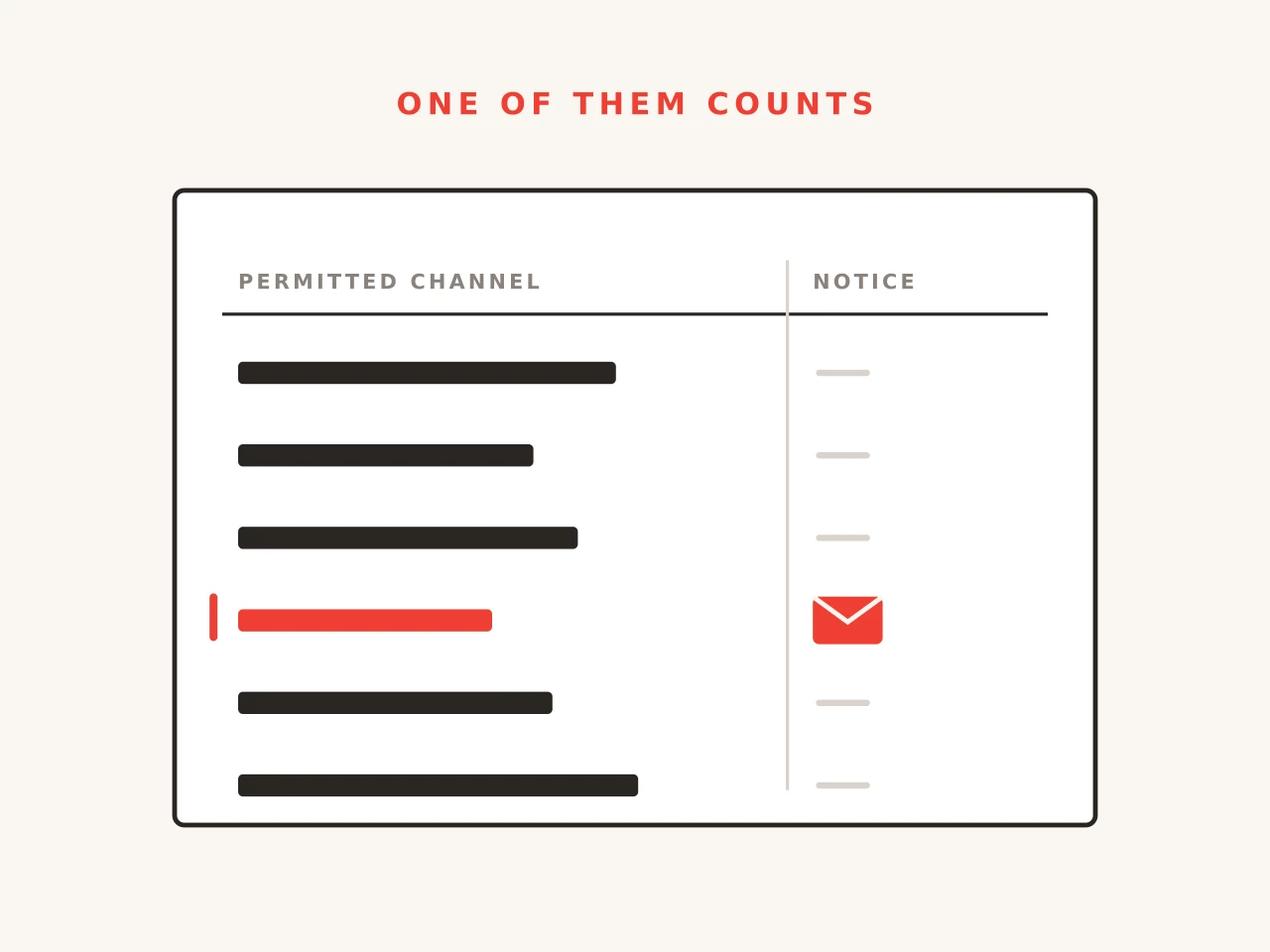
Six Channels, One That Counts as Notice Given and Received
The Association of Banks in Singapore lists six channels a bank may use to tell a customer that its terms are changing. Only one of them carries the Code's own statement that the message counts as notice given and received. That sentence sits in an appendix, and it is the reason certain bank letters are still printed.
Industry Trends
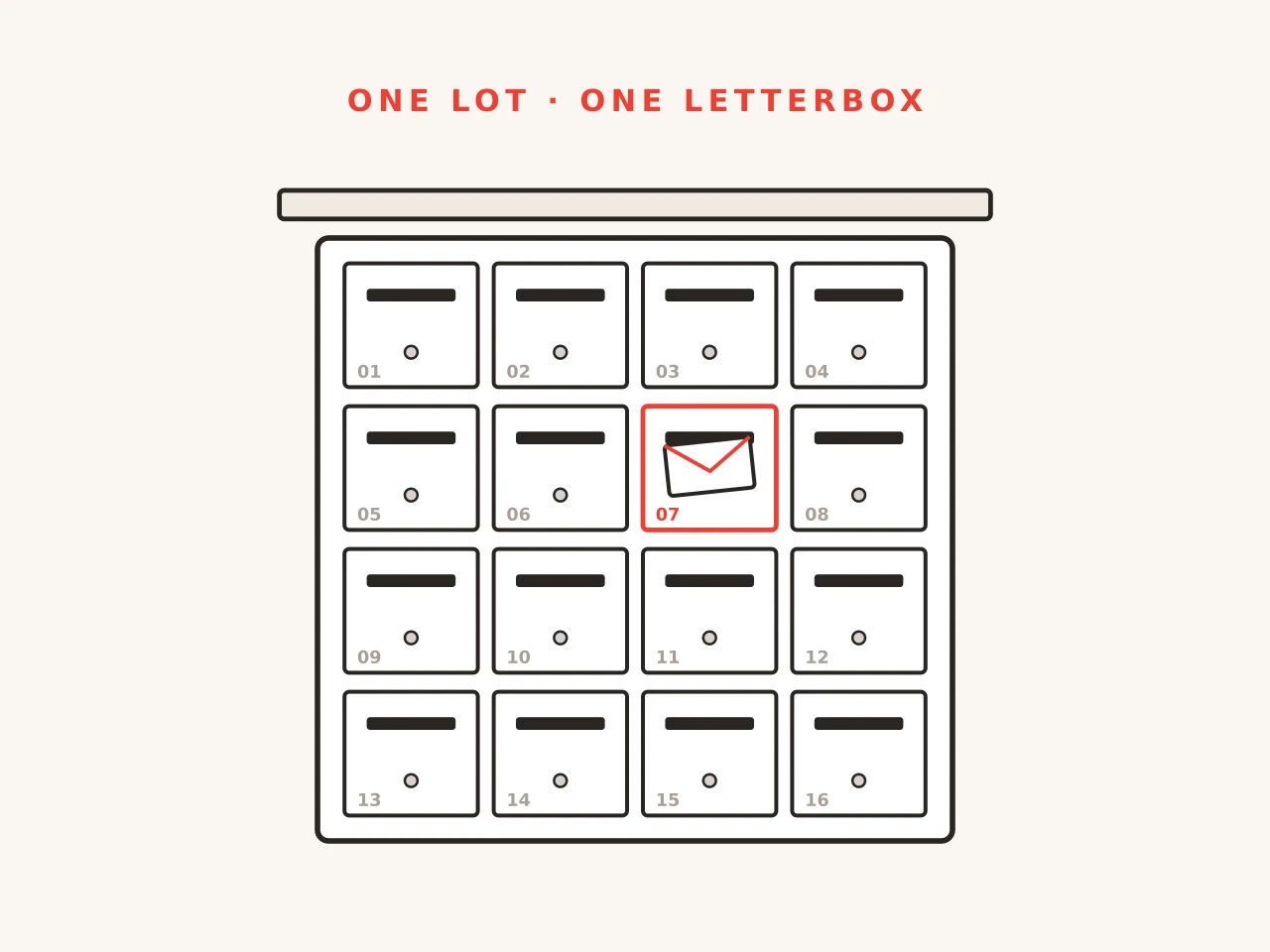
The Letterbox Was There Before You Were: Singapore's Quietest Piece of Infrastructure
Every home in Singapore has a letterbox, numbered and fitted before anyone moved in, because the law required the developer to put it there. That is an unusual thing to be able to say about a communication channel, and it is the reason addressed mail still reaches people that nothing else does.
Industry Trends
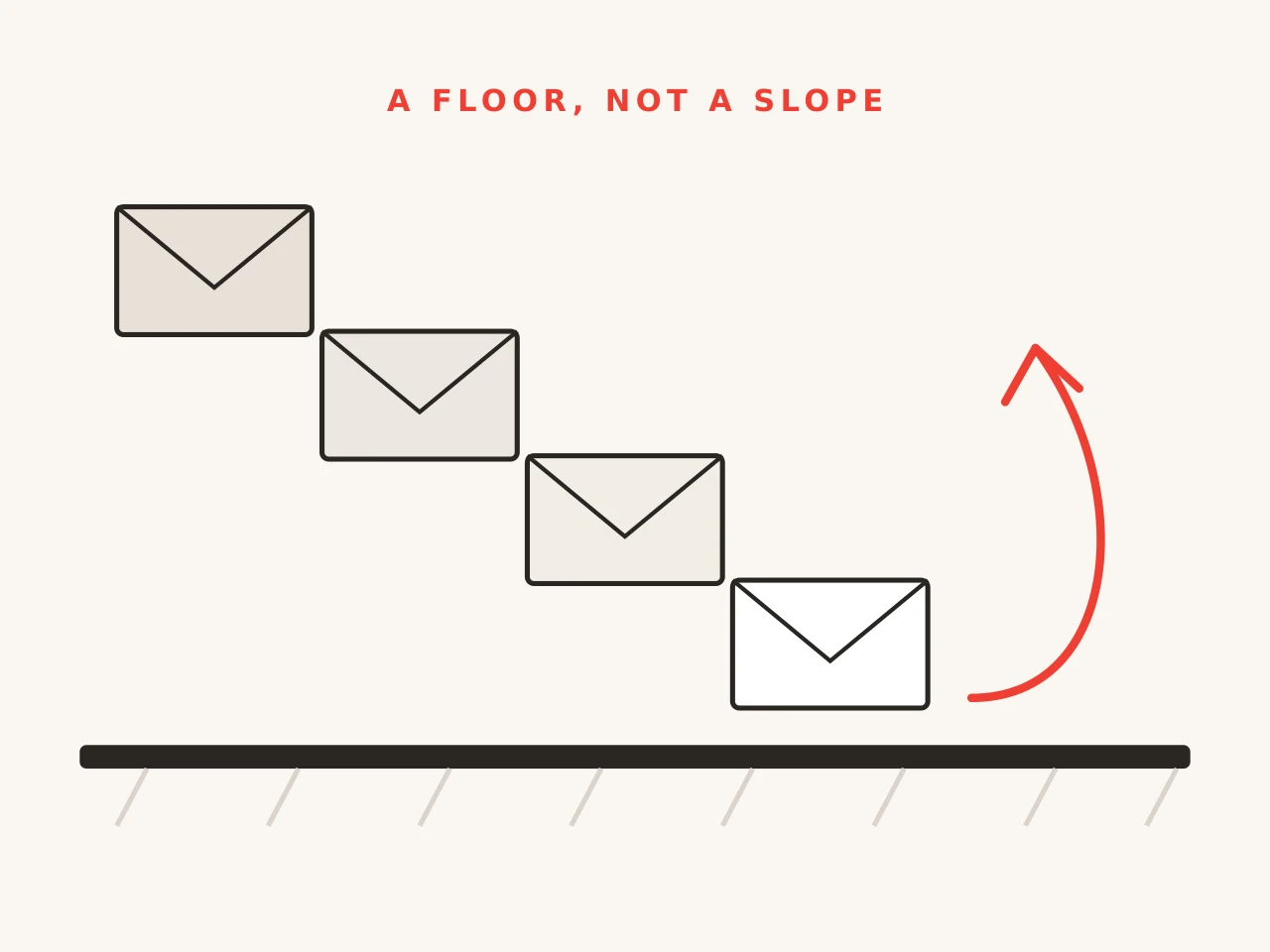
Going Paperless in Insurance Starts With a Letter
Singapore's life insurers are moving their servicing communications to screens, and the industry's own guidelines set the terms of the move. An insurer may default its policyholders to e-statements, but only after telling them so on paper, and only if every one of them can change their mind later. Paper in insurance is not a volume winding down to zero.
Compliance & Security
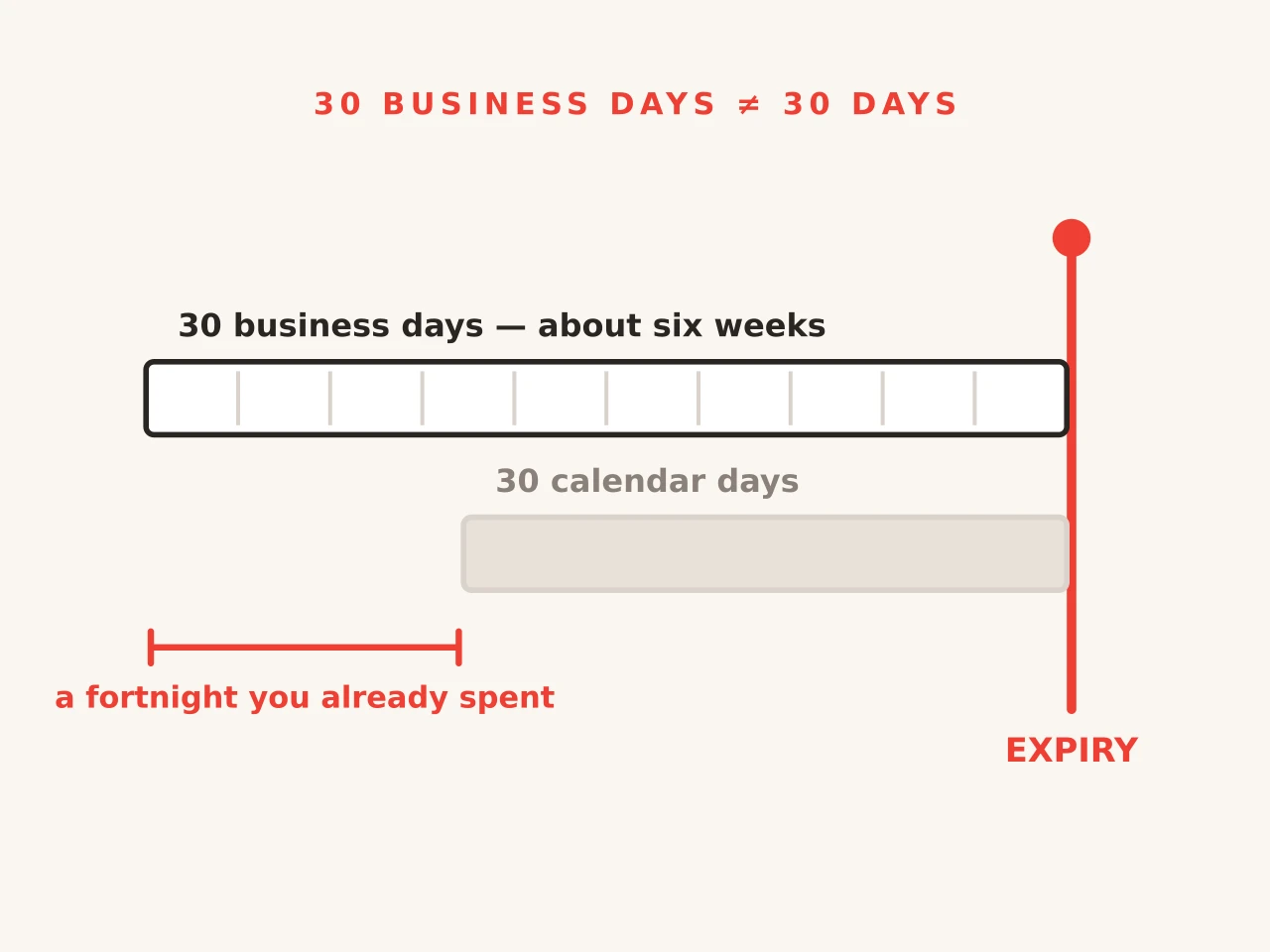
Thirty Business Days Is Closer to Six Weeks
A renewal notice posted a month before expiry is already late. Singapore's general insurance code counts the notice period in business days rather than calendar days, which puts the real deadline about six weeks ahead of expiry. Insurance mail runs on clocks like that, and most of them start when the document arrives rather than when it prints.
Compliance & Security
What the OSPAR Register Actually Tells a Bank About Its Mail Vendor
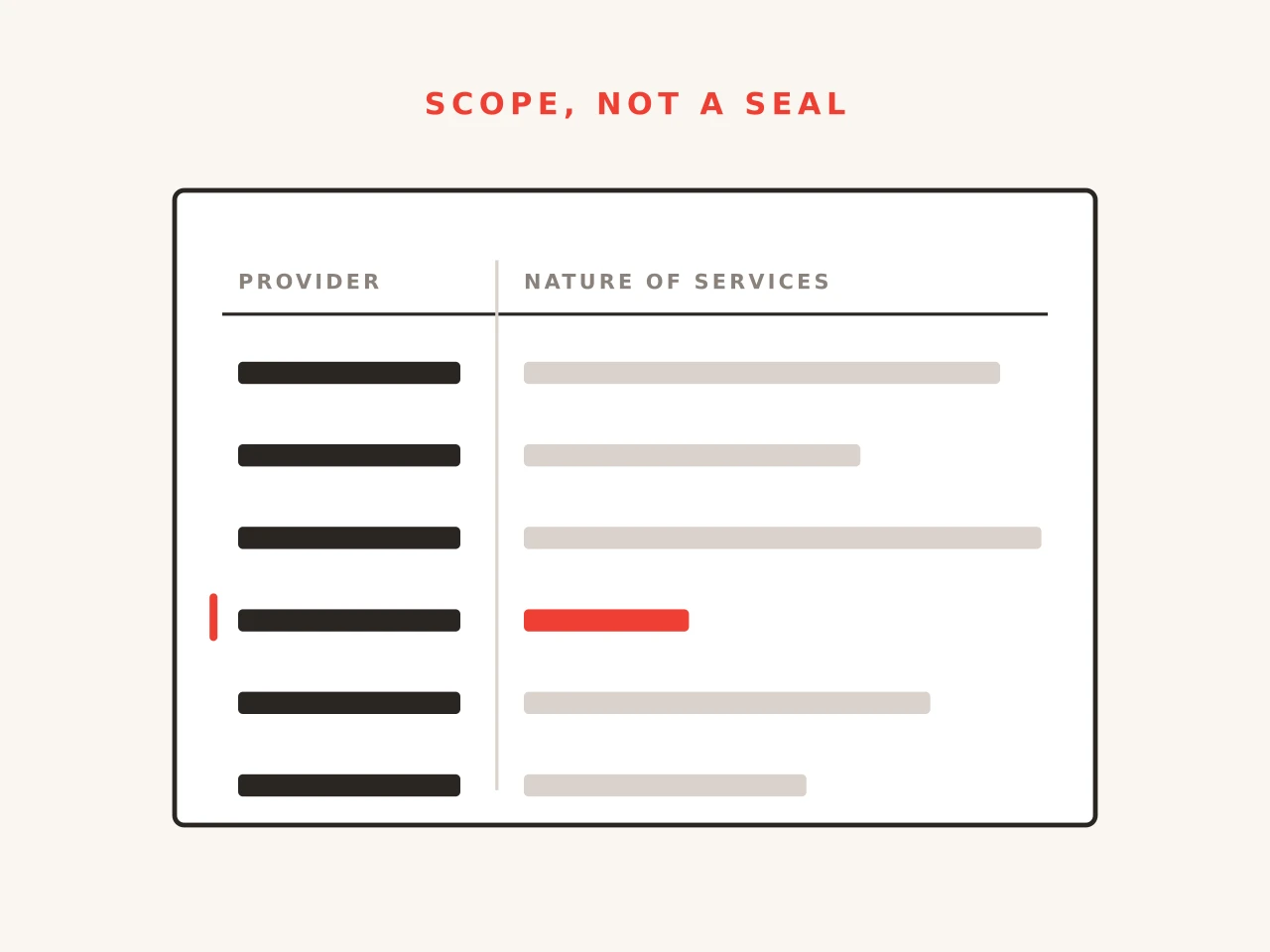
The Association of Banks in Singapore publishes a list of OSPAR-audited outsourced service providers, and most vendors treat an entry on it as a badge. The register is more specific than that. Against every name sits the nature of the services the audit actually covered, and those descriptions differ sharply from one provider to the next.
Marketing & Engagement
The Channel Do Not Call Left Open: Property Mail in Singapore
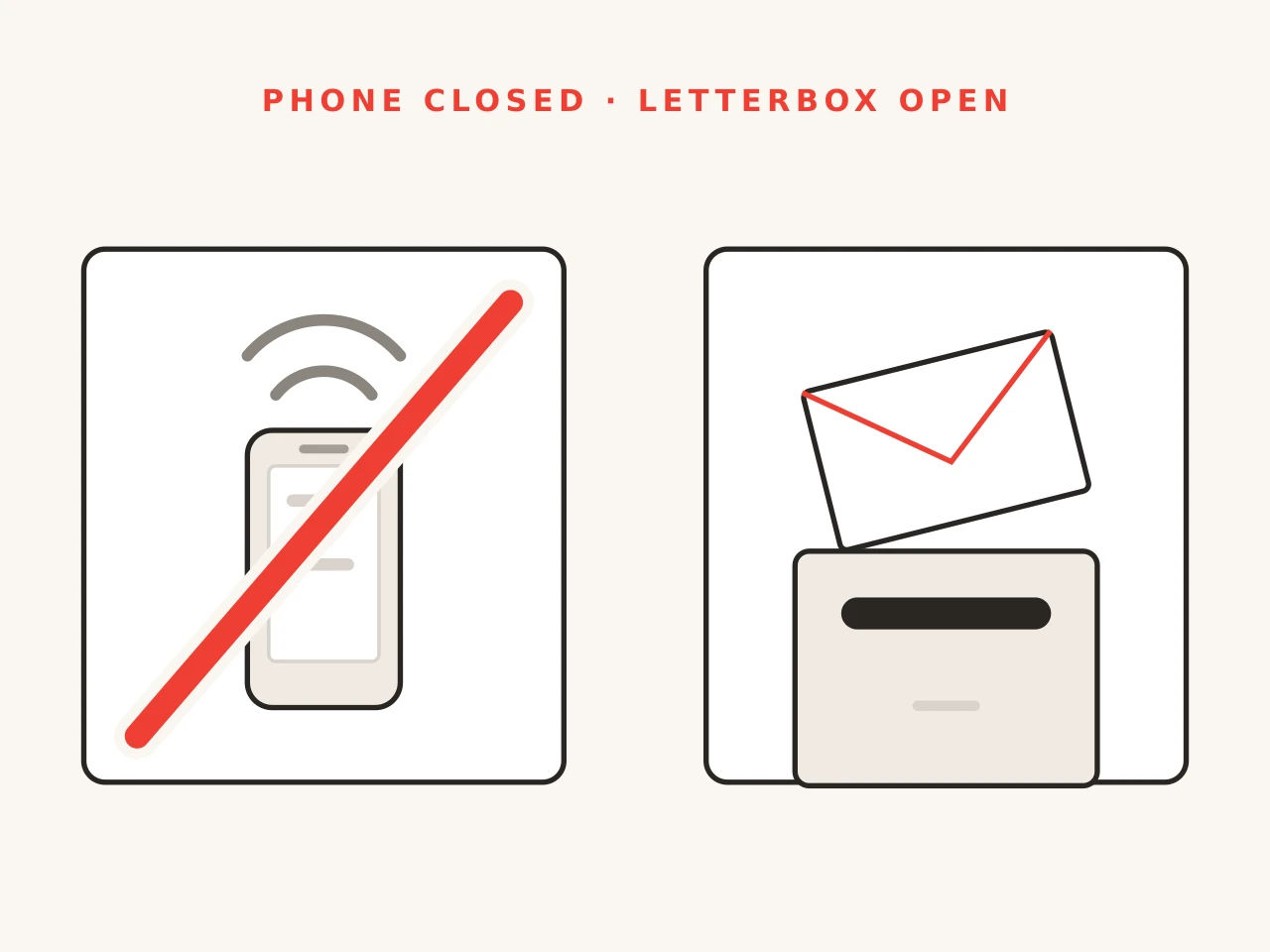
Singapore has closed the cheap prospecting channels for property agents one at a time, and for good reasons. Cold calls and cold SMS went to the Do Not Call registers. From 1 April 2026 the corridor drop became a breach the industry logs and penalises. What is left is post, and it comes in two legally distinct forms that agencies routinely confuse.
Marketing & Engagement
How a Compliant Property Mailer Actually Gets Made
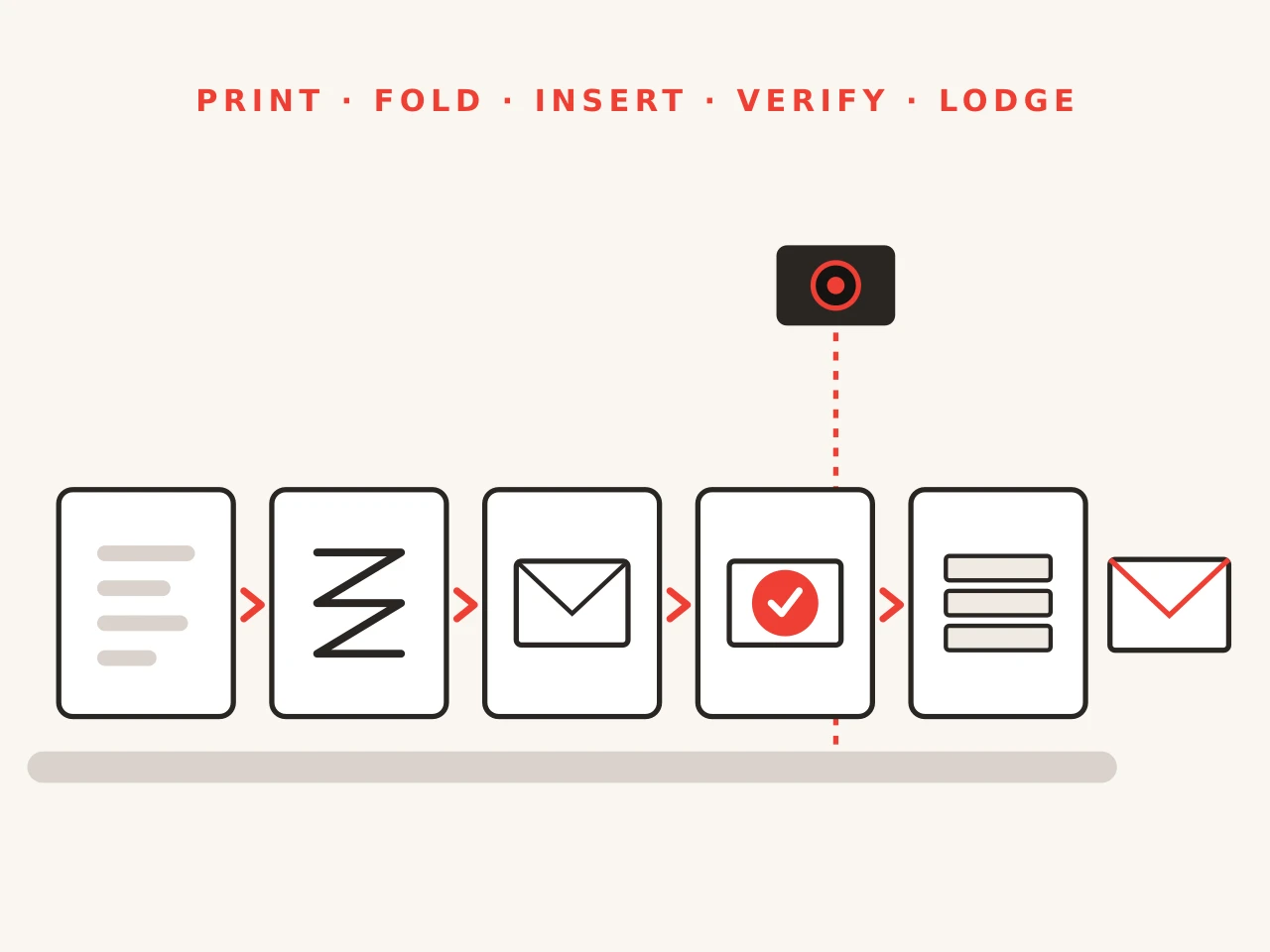
A property mailer usually fails in production, not in strategy. The list was fine and the artwork was approved, and the piece that reached the letterbox still carried the wrong registration number or the wrong insert. This is what happens to a job between approved artwork and letterbox, and where the checks sit.
Postal Optimization
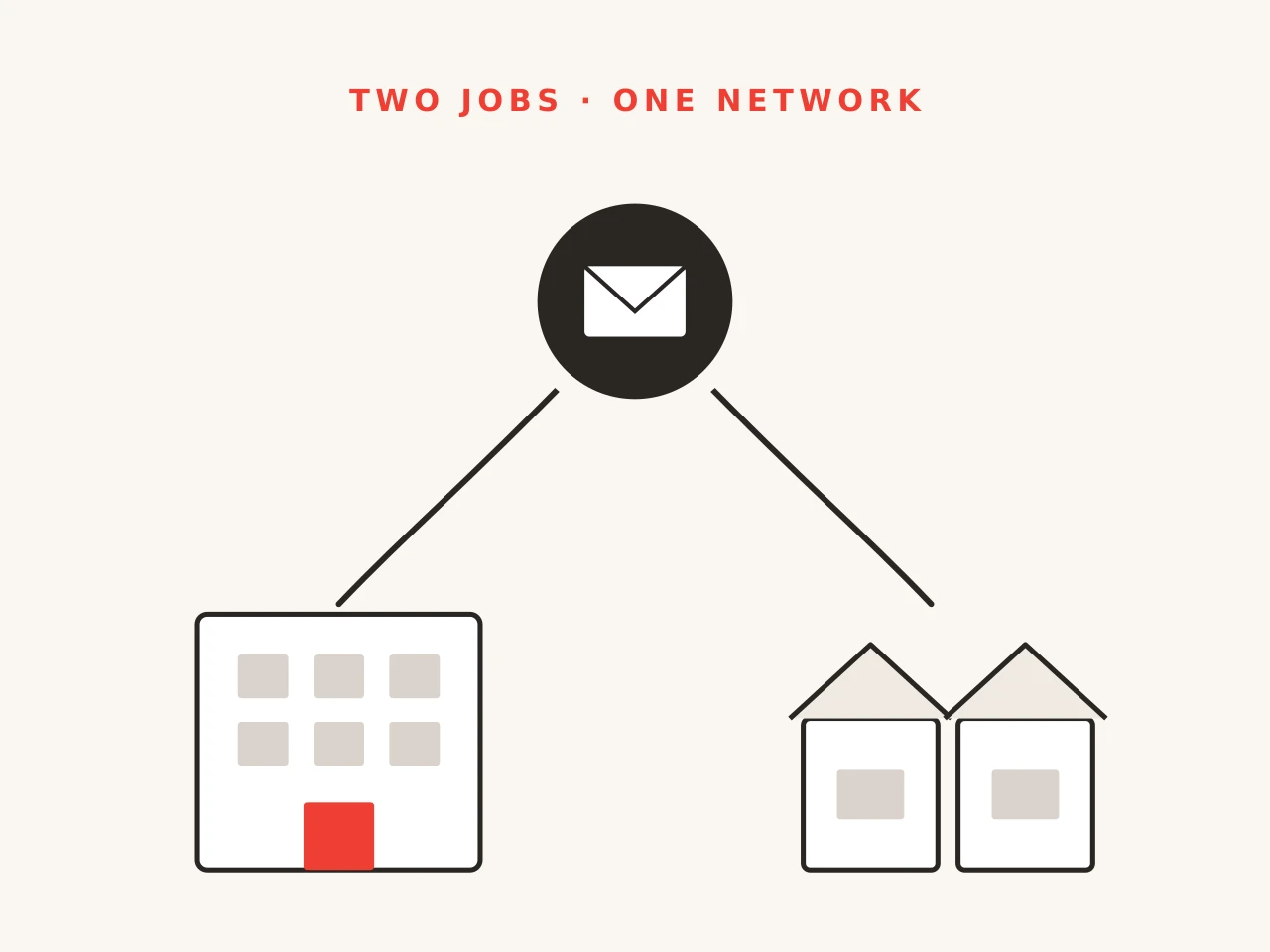
Two Jobs, One Network: What SingPost's Economics Mean for Your Mail
SingPost's future is usually discussed as a shareholder story: revenue, profit, whether the post office can pay for itself. For anyone who actually sends mail in Singapore the useful question is narrower. What happens to the delivery network your communications depend on, and what should you do about it now?
Industry Trends
What Still Has to Arrive: Physical Mail in Singapore Healthcare
Singapore healthcare is digitising on a statutory timetable rather than a marketing one. The public clusters have already withdrawn paper bills and paper discharge documents by default, and Healthier SG enrolment runs on SMS. So the useful question is not whether patient mail is shrinking, but what is left when it stops.

Compliance & Security
The 2026 Guide to Secure Document Fulfillment
Outsourcing a mailing means handing a file of personal data to someone else and remaining accountable for what happens to it. Two separate assurance routes govern that handover in Singapore, they cover different things, and a vendor who blurs the line between them is worth a second look.
Postal Optimization
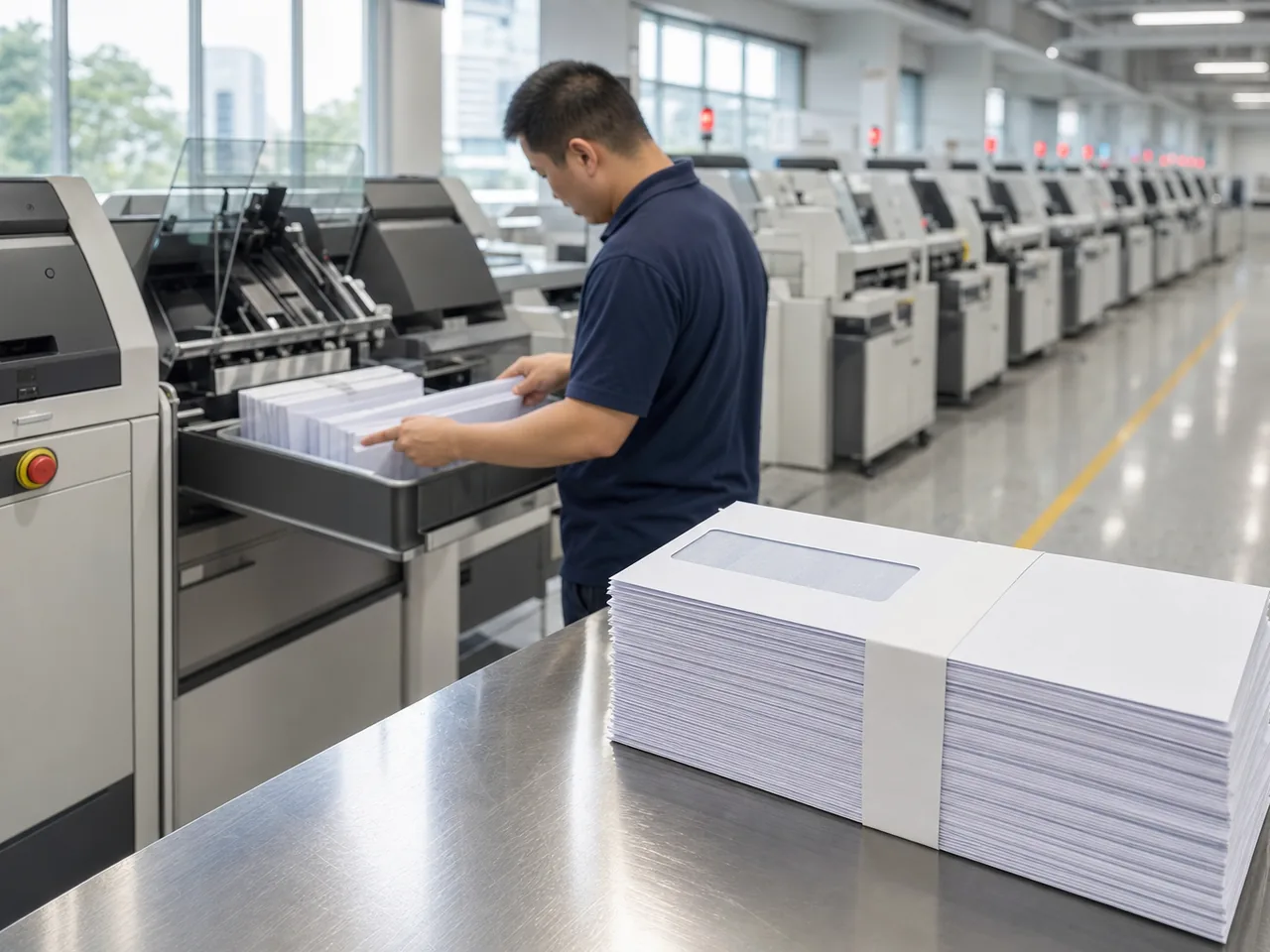
Where a Singapore Postage Bill Actually Comes Down
Postage is usually the largest line in a mail budget and the one that gets the least scrutiny, because it looks like a fixed cost set by someone else. The rate card is indeed someone else's decision. Which rate your mailpiece attracts, and how many pieces you pay for at all, are not.

Marketing & Engagement
The Physical Advantage: What Direct Mail Does That a Screen Cannot
Direct mail is usually defended with statistics that do not survive being checked, which is a shame, because the honest case is strong enough without them. Physical mail does two things a screen cannot: it occupies space until someone deals with it, and it carries an address that belongs to one person.
Industry Trends
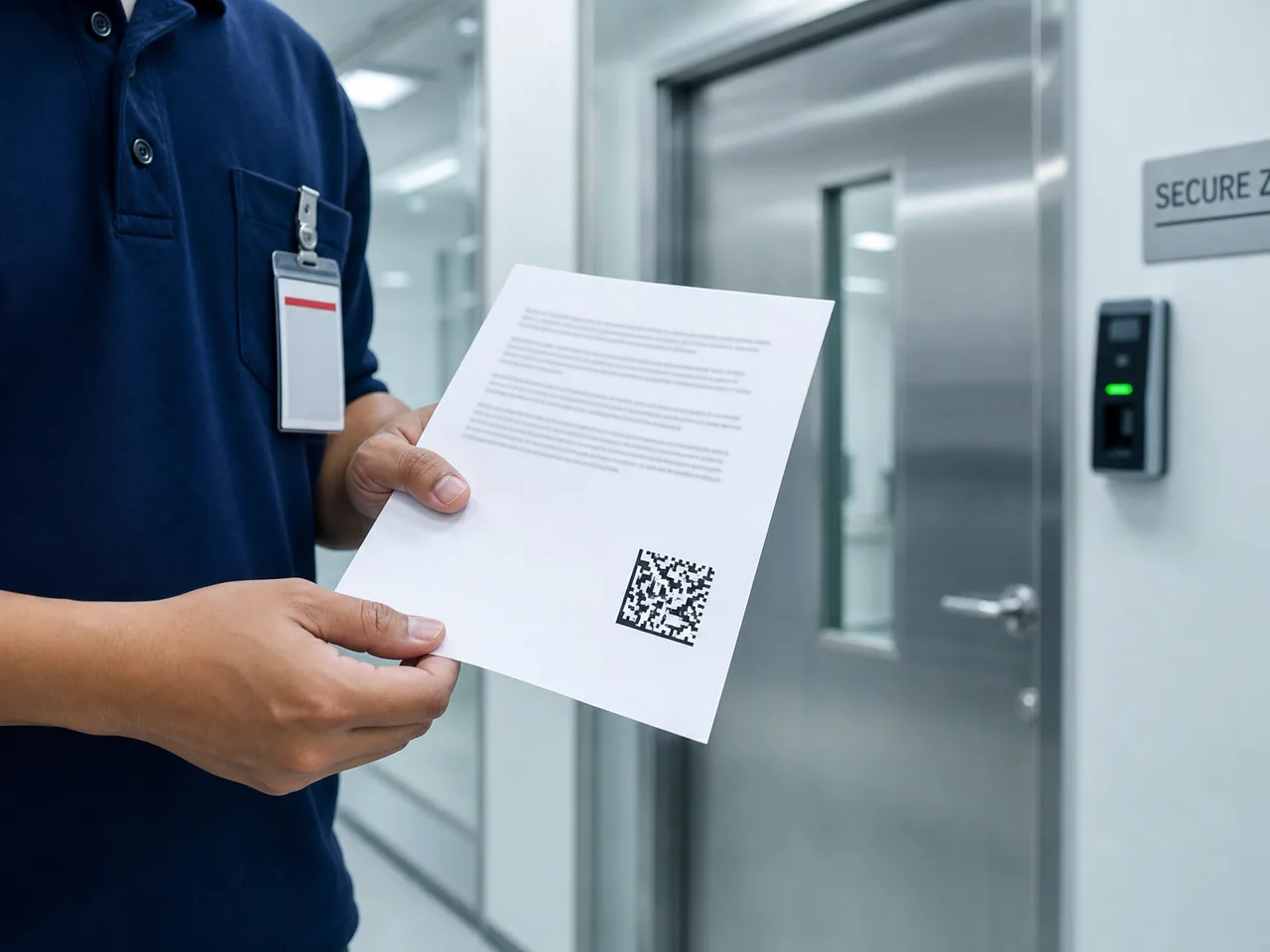
Beyond the Envelope: Why Data Security is the New Standard in Physical Mail
Attention to data security tends to stop at the point where a file leaves a system, but a mailing carries that data onward through printing, insertion and despatch. For organisations sending statutory notices, medical reports or financial statements, production is part of the security chain rather than something that happens after it.