Marketing & Engagement
The Physical Advantage: What Direct Mail Does That a Screen Cannot
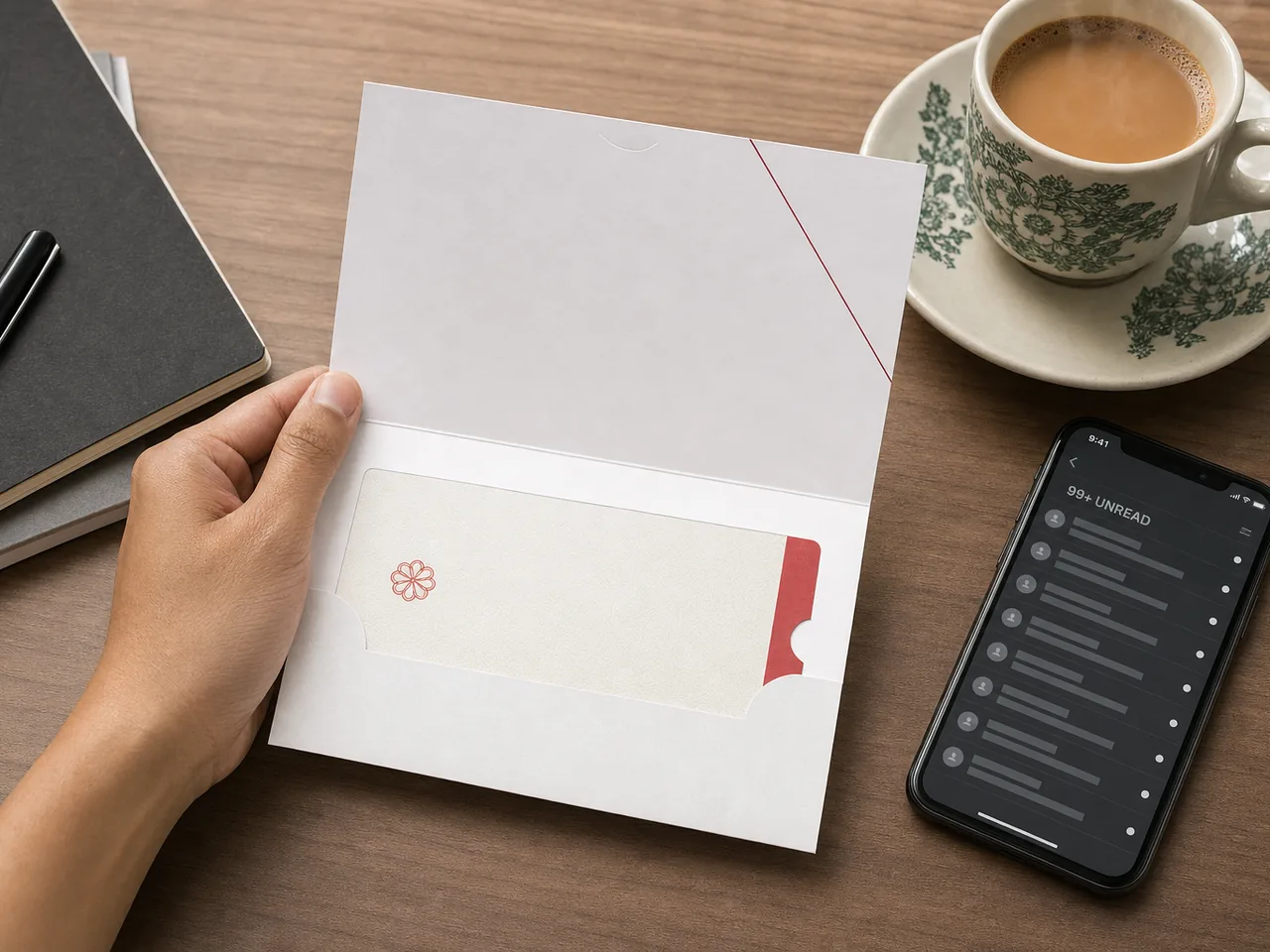
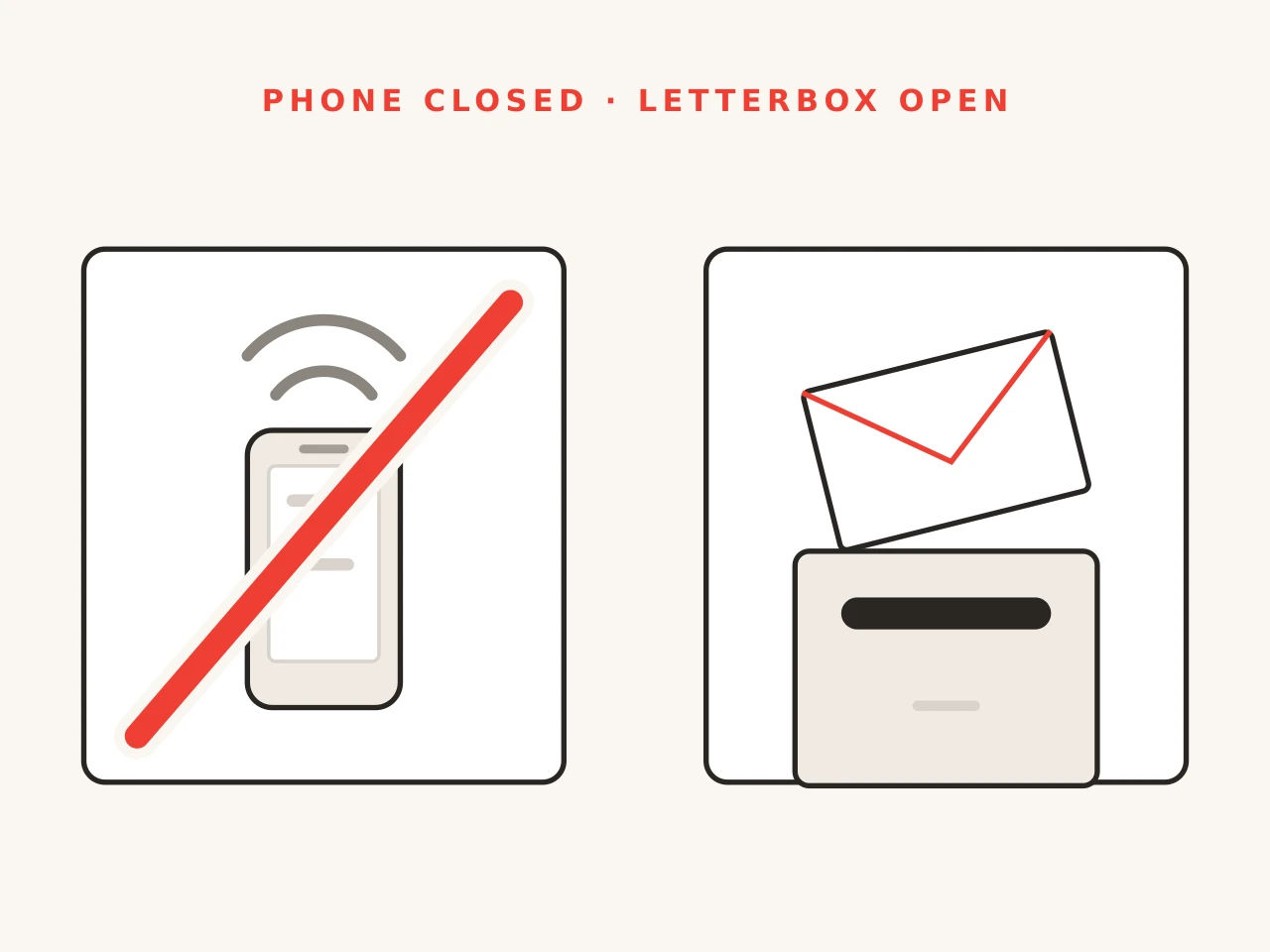
Direct mail is usually defended with statistics that do not survive being checked, which is a shame, because the honest case is strong enough without them. Physical mail does two things a screen cannot: it occupies space until someone deals with it, and it carries an address that belongs to one person. Everything worth saying about direct mail as a channel follows from those two properties.
Physical media is easier to process, and there is real research on it
The best-evidenced claim in direct mail is about cognitive effort, not response rates.
Canada Post commissioned neuromarketing research from True Impact Marketing, published in 2015 as A Bias for Action, using brain imaging and eye tracking to compare physical and digital advertising. It found that direct mail "requires 21% less cognitive effort to process and elicits a much higher brand recall", with unaided brand recall of 75% for physical against 44% for digital.
Two honest caveats travel with that figure. It is research commissioned by a postal operator, which has an interest in the answer, so treat it as a well-documented study rather than a neutral one. And it dates from 2015, before a decade of further change in how people handle screens.
What survives both caveats is the mechanism, which is not really disputed: a letter on a kitchen counter stays there until someone acts on it, while an email moves down a list on its own. Physical persistence is the advantage, and it does not depend on anyone's survey.
Personalisation is a data problem, not a printing one
Variable data printing changes fields on individual pieces, and the difficulty sits almost entirely on the data side.
Variable data printing maps a record to a template so that text, offers and images differ by recipient. Changing a name is trivial. Changing an offer based on purchase history means the source file has to be correct at record level, because a personalised piece fails differently from a generic one: a wrong name in a generic mailer is a mildly poor impression, while a wrong balance or a wrong entitlement is a complaint.
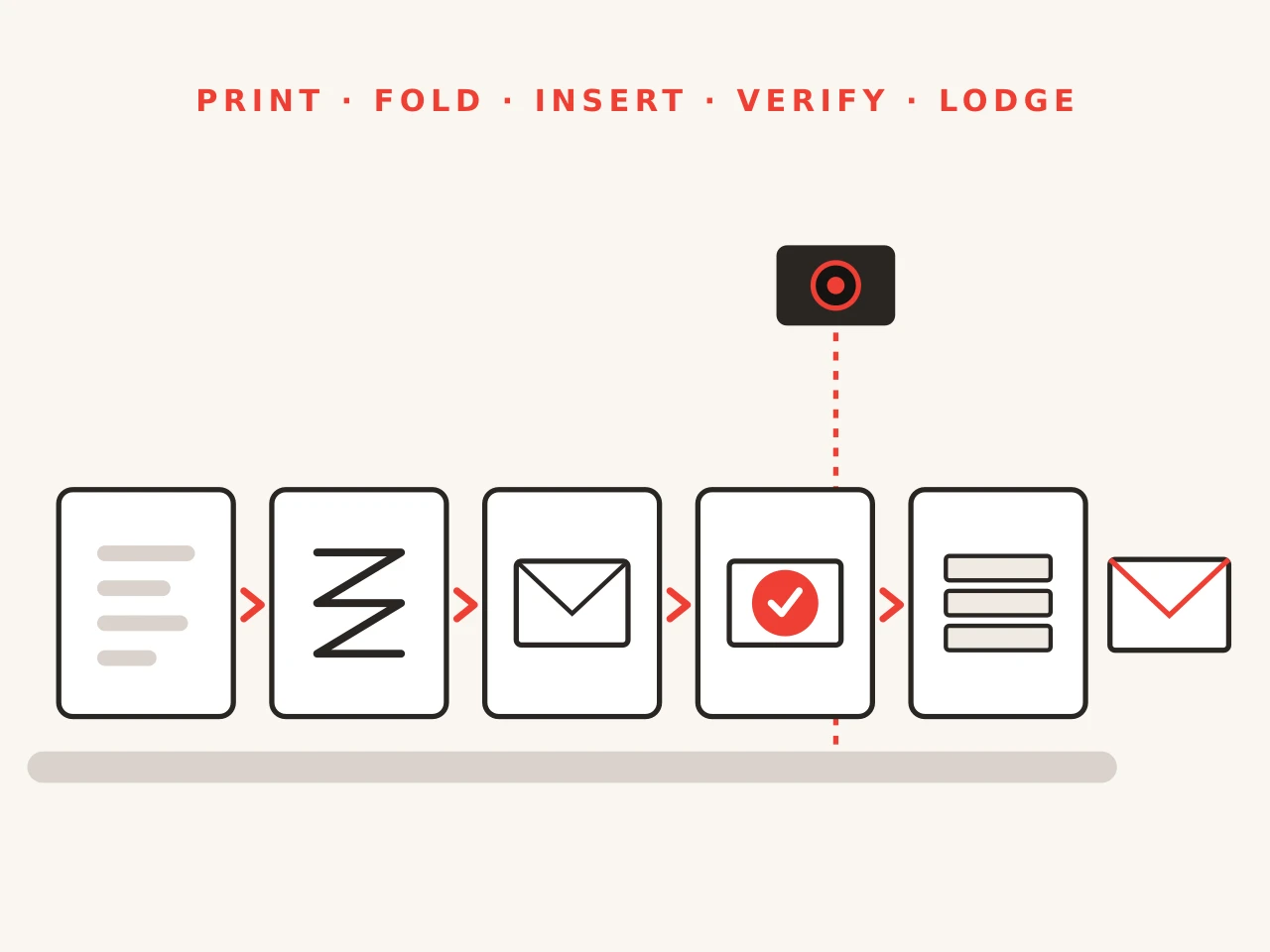
That is why the useful question to ask a production partner is not whether they can do variable data printing, but how they reconcile the populated output back against the source file. That reconciliation is the only step that catches a wrong field, because a wrong field looks entirely plausible on a proof: a mistaken account number is still a well-formed account number. Personalisation also runs on a customer file, so the transfer, access and purge terms matter as much as the creative, and those sit with secure data printing.
QR codes and PURLs close the loop, partially
Adding a QR code or a personalised URL gives a mailing a measurable response path, though it measures less than a digital campaign does.
A scan takes the recipient somewhere specific, and because the code can be generated per recipient, a scan tells you which record acted. That is genuinely more than an unaddressed leaflet offers.
Be accurate about the limits. A scan records the people who chose to scan. It says nothing about who read the piece and acted later, who passed it to someone else, or who kept it. Direct mail measured this way understates itself, and any comparison that treats a scan rate as equivalent to an email open rate is comparing two different things. Use it as a directional signal and as a route to conversion, not as a claim to have matched digital attribution.
The statistics to stop quoting
Several figures circulate constantly in direct-mail marketing and none of them should appear in a serious proposal.
The recurring ones are a claimed response-rate multiple over digital, a fixed return figure for every dollar spent, and market-size growth projections. They trace back to surveys run by mailing companies among their own customers, and they will not survive a client asking where the number came from. An earlier version of this post quoted a response-rate multiple of that kind; it has been removed because it could not be sourced.
The pattern to apply is simple. If a direct-mail figure cannot be traced to a named study with a stated method, or to a postal operator's or regulator's published data, leave it out. The argument for physical mail does not need it.
What to do with this
Direct mail earns its place where physical persistence and individual addressing are worth paying for: a communication that has to be dealt with rather than dismissed, or one aimed at recipients you cannot reliably reach digitally. It is a poor choice for anything that needs to be cheap per contact and instant.
Before costing a campaign, decide two things: which format your piece will fall into, because postage usually outweighs print at any volume, and what your data file will need to survive record-level personalisation. We work through the first in our guide to where a Singapore postage bill comes down, and the second, in a regulated setting, in how a compliant property mailer actually gets made.
The cognitive-effort and brand-recall figures above are from Canada Post's 2015 neuromarketing study with True Impact Marketing, cited and linked in full. Updated 6 August 2026 to attribute that research properly and to remove response-rate claims that could not be traced to a source.
Tags